绝色双娇
《绝色双娇》讲述了两位风华绝代的女子——温婉如水的苏婉儿与飒爽英姿的楚灵儿,因意外命运交织,从初见的针锋相对到生死相托的深厚情谊,她们或抚琴弄墨,或仗剑江湖,以绝世容颜与坚韧心性,在乱世中守护家国、追...


地理学是探索地球表面自然与人文现象空间分布、相互关系及演变规律的综合性学科,它以自然地理(涵盖地貌、气候、水文、生态等)和人文地理(涉及人口、城市、经济、文化等)为两大核心分支,通过空间分析、区域比较等方法,揭示环境与人类活动的互动机制,其研究不仅深化对地球系统的认知,更为资源开发、环境保护、区域规划等实践提供科学支撑,是连接自然与人文的重要桥梁。
Geography—the study of Earth’s landscapes, peoples, and their interactions—is far more than maps and mountain ranges. It is the silent architect of civilizations, the invisible hand shaping where humans settle, how they live, and what they value. From the fertile crescents that gave rise to agriculture to the coastlines that fueled global trade, geography has been the canvas on which human history unfolds.
At its core, geography is a dialogue between humans and the environment. Natural geography dictates the basics of survival: rivers provide water and fertile soil, mountains offer protection but create isolation, and climate determines what crops can grow. Ancient civilizations, from Mesopotamia’s Sumerians to Egypt’s Pharaohs, thrived not by chance, but by mastering their geography. The Tigris and Euphrates rivers, for instance, enabled the rise of city-states like Ur and Babylon, while the Nile’s annual floods allowed Egypt to develop a complex agricultural system. Without these geographic gifts, the cradles of civilization might never have existed.
Yet geography is not just about nature—it is about how humans adapt to, and reshape, their surroundings. Cultural geography explores how beliefs, languages, and traditions evolve in response to the environment. For example, Inuit peoples in the Arctic developed intricate knowledge of ice and snow to survive, while Polynesian navigators used stars and ocean currents to traverse the vast Pacific. Even today, geographic features continue to influence culture: the terraced rice paddies of Southeast Asia reflect a harmony with steep landscapes, while the sprawling cities of the Netherlands showcase human ingenuity in taming the sea.
In the modern world, geography remains a cornerstone of global interconnectedness. Economic geography explains why cities like Shanghai, Singapore, and Dubai have become hubs of trade—their coastal locations and access to shipping lanes make them natural crossroads. Political geography, meanwhile, shapes borders and conflicts, as seen in the strategic importance of the Suez Canal or the disputes over Arctic resources as ice melts. Climate change, too, has thrust geography into the spotlight: rising sea levels threaten coastal nations, while shifting rainfall patterns force farmers to adapt or relocate. Geography is no longer just about understanding the Earth—it is about safeguarding its future.
《还珠格格》以清朝乾隆年间为背景,讲述了民间少女小燕子偶然与紫薇相识,替其入宫认父,却与五阿哥永琪、福尔康产生深厚情感的故事,剧集围绕小燕子的天真烂漫、紫薇的温婉聪慧,展开与皇后等人的宫廷周旋,穿插民...

终极一班3第40集剧情迎来关键转折,汪大东为守护终极一班与神秘反派展开终极对决,雷婷率众成员全力支援,班级内部矛盾在危机中化解,友情与信念成为战胜黑暗的核心力量,本集不仅展现热血战斗场面,更深刻诠释了...
《冲锋队之怒火街头》作为经典港片,讲述了冲锋队警员在街头执法中遭遇的复杂人性与正义考验的故事,影片以紧凑的剧情、激烈的动作场面刻画了警队内部的忠诚与挣扎,展现了暴力边缘的正义坚守,任何影视作品均受版权...

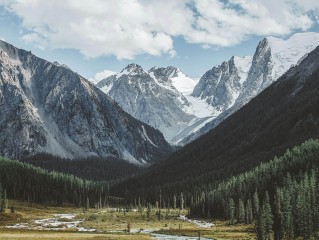
地理学是探索地球表面自然与人文现象空间分布、相互关系及演变规律的综合性学科,它以自然地理(涵盖地貌、气候、水文...
点击复制推广网址:
下载海报: